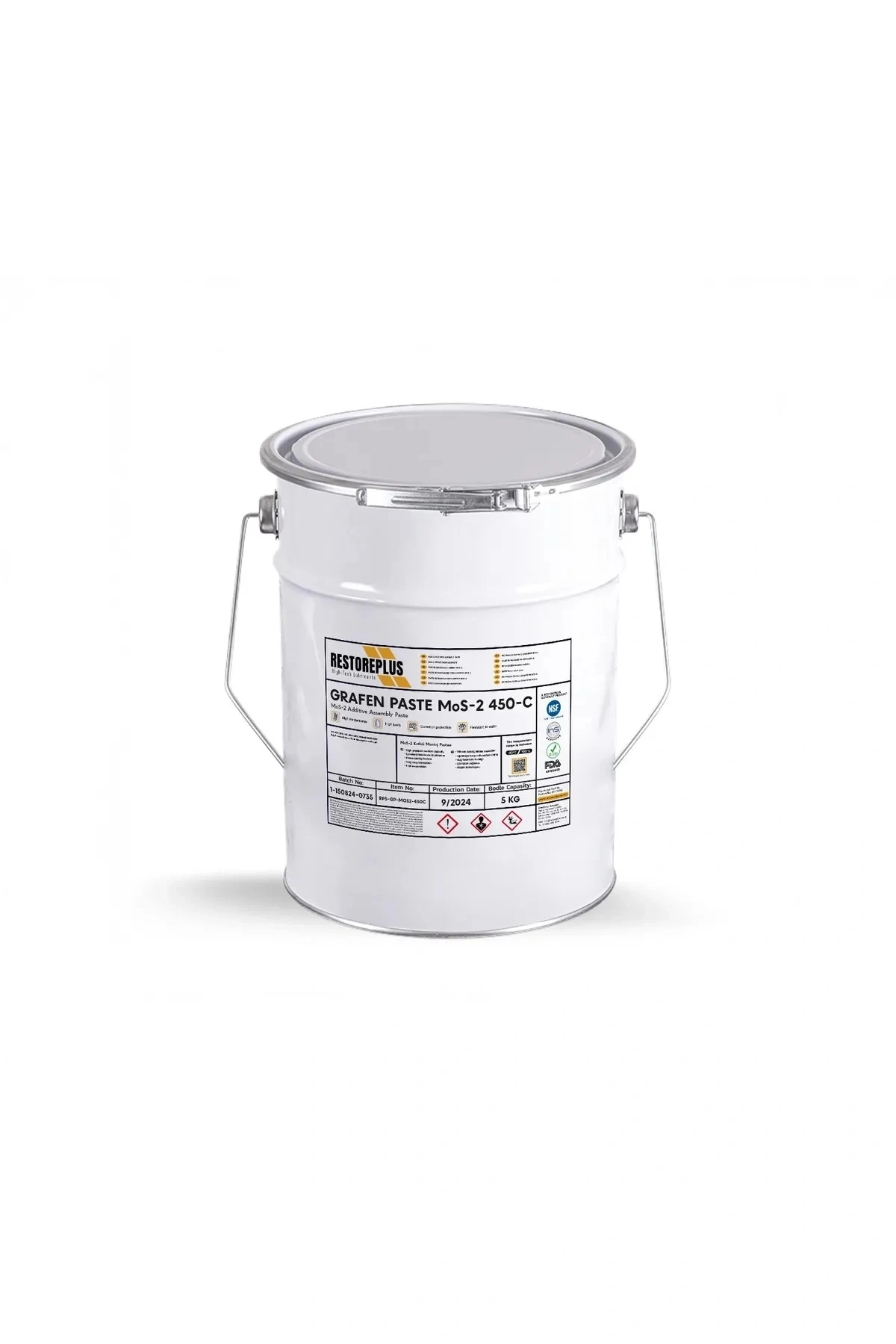
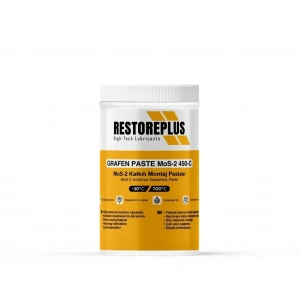
GRAFEN PASTE MoS-2 450-C is a high-temperature and pressure-resistant assembly paste for heavily loaded sliding surfaces. It provides long-lasting lubrication and superior protection.
GRAFEN PASTE MoS-2 450-C – High Performance Assembly Paste for Challenging Conditions
Restoreplus GRAFEN PASTE MoS-2 450-C is a specially developed high-performance assembly paste for industrial applications requiring heavy load and high temperature. With the contribution of MoS₂ (molybdenum disulfide) in its content, it offers excellent adhesion, low friction, and superior wear resistance on metal surfaces.
Features and Benefits
High Temperature Stability: Resistant up to +700°C, maintains performance in challenging conditions.
Excellent Water Resistance and Corrosion Prevention: Protects against the effects of moisture and oxidation.
Low Friction Coefficient: Increases energy efficiency, minimizes wear.
High Pressure Absorption Capacity: Provides effective protection on heavily loaded surfaces.
Long-lasting Lubrication: Guarantees continuous performance and durability.
Excellent Adhesion and Separation: Allows for easy disassembly after assembly.
Applications
Screwed, pressed, and tight-fitting connections
Sliding bearings, bushings, and gear wheels
Transmission mechanisms in the automotive industry
Guides, trackways, and connection points
Lubrication between tool and workpiece in metal forming
Technical Information
NLGI Grade: 2
Penetration: 285 mm/10
Base Oil Viscosity (40°C): 95 mm²/s
Viscosity Index: 460
Base Oil Type: Synthetic
Thickener: Oil-like carrier / MoS₂
Color: Black
Operating Temperature: -30°C to +700°C
Equivalent Brands and Products
GRAFEN PASTE MoS-2 is developed specifically for press-fit processes and initial assembly of high-temperature bearings, and the main counterparts in the market are as follows:
RESTOREPLUS: Grafen Paste MoS-2 450-C
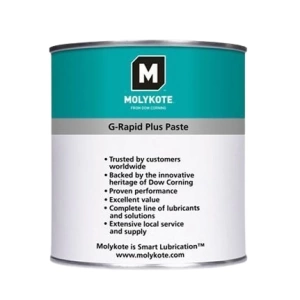
MOLYKOTE: G-N Plus (The most known MoS2 assembly paste worldwide)
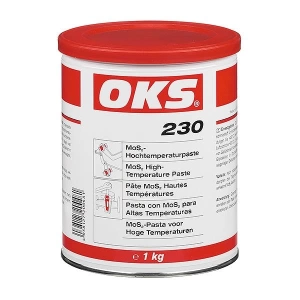
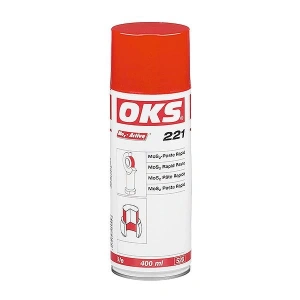
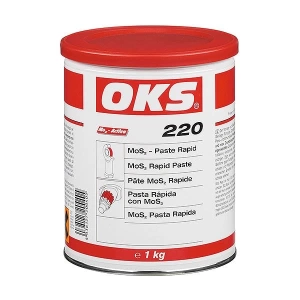
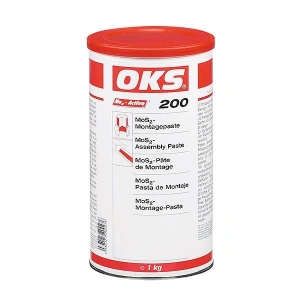
OKS: OKS 200 (MoS2 Assembly Paste)
WÜRTH: MoS2 Assembly Paste
LIQUI MOLY: MoS2-Paste (Montagepaste)
CRC: Graphite Assembly Paste + MoS2
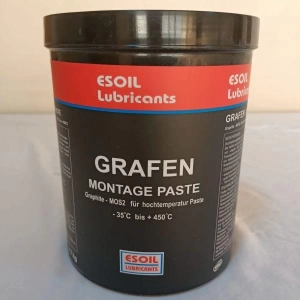
ESOIL: Grafen Montage Paste (-35°C / +450°C)
PULSAR: MOB 30 / MOB 60 (MoS2 Based Assembly Pastes)
Technical Information and Features
Restoreplus Grafter Paste MoS-2 450-C is prepared based on reference and the common technical values that its equivalents in this segment possess are as follows:
Double-Effect Lubrication: Thanks to the micronized Molybdenum Disulfide (MoS2) and Graphite/Graphene particles it contains, even if the carrier grease vaporizes at high temperatures, it leaves a solid lubrication film between metal surfaces.
High Temperature Resistance: Although the working limit of the carrier oil is lower, thanks to solid lubricants, it maintains its separating and lubricating properties up to +450°C (in some formulas above +600°C in points where contact with the air is cut off).
Extreme Pressure (EP) Performance: Even at pressures close to the yield point of the metal, the film layer does not tear. It has high weld load values in 4-Ball EP tests.
Running-in (Rodaj) Support: It fills the microscopic roughness on the surface during the initial run-in of new machine and gear groups, providing Wear-Free Running-In.
Friction Coefficient: Radically reduces friction, stabilizes the required Tightening Torque during assembly, and prevents parts from seizing.
Stick-Slip Prevention: Prevents irregular movements and vibrating slips at low speeds, ensuring Smooth Operation of the mechanism.
Emergency Lubrication: In cases where the lubrication system fails, the trapped MoS2 layer provides Dry Lubrication for a while to prevent bearings and bushings from burning out.
Color and Consistency: It has a characteristic Black/Dark Grey color and is in a paste form that is suitable for application with a brush or spatula, not dripping from vertical surfaces.
Application Area: This product is especially used in the running-in of new machine bearings, press-fit operations, key slots, heavily loaded shaft and bushing connections, initial lubrication of gear wheels, and assembly of bolts exposed to high heat.